
Retractable screens
Evening air without the bugs
Screens that roll away when you are not using them, so you can open the house up at night and not look at a screen all day.
Licensed, bonded and insured, CSLB #980336 Locally owned in Riverside.
Why it is worth doing
What changes in the house
Open the house at night
Evenings here drop a long way from the afternoon peak, and a screened opening is how you get that air into the house instead of leaving it outside.
Invisible when you are not using it
The mesh rolls into a slim housing at the edge of the opening, so the view and the door look the way they did before.
Works on the doors you already have
Entry doors, patio sliders and French pairs all take a retractable screen without replacing the door itself.
A mesh for the job
Standard insect, tight-weave, solar and pet-resistant mesh, and we bring samples to hold up in your own opening.
Screens
What we do
A retractable screen is a mesh on a spring roller in a slim housing at the side or top of the opening. You pull it across when you want it and it rolls away when you do not, which is the whole reason people choose one over a fixed screen door that sits in the view year round. We measure the opening width and height, check that the jamb and the track have somewhere flat and solid to fasten to, and confirm the door casing will take the housing without fouling the hardware. Wide openings and French pairs use a double screen that meets in the middle with a magnetic latch. On install day the housing is mounted level, the track is set so the mesh runs without dragging, and we cycle it with you so you know how it should feel when it is working properly.
Door, window, or large opening
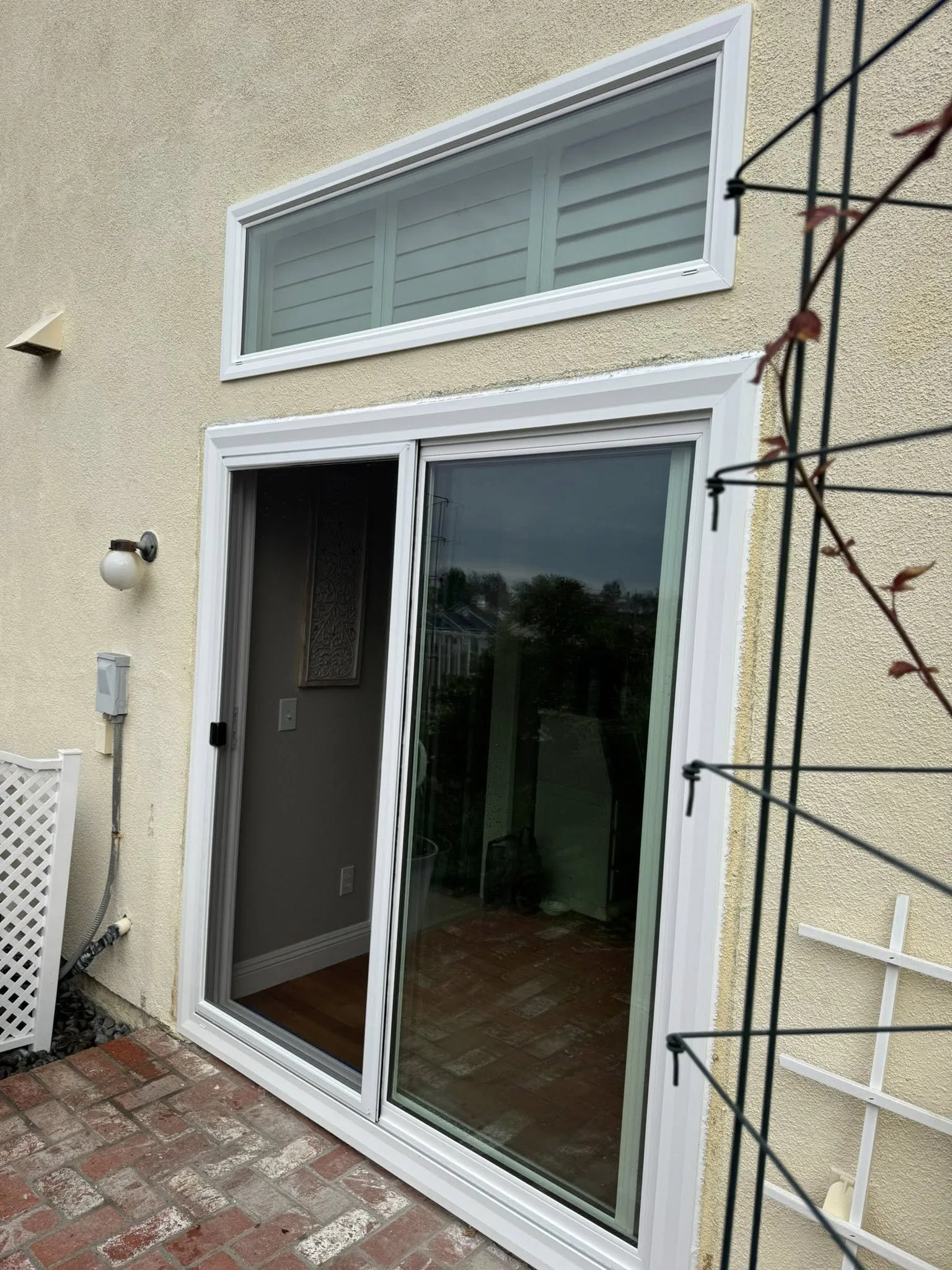
Door screens are what most people call about. A single screen for a standard entry or patio door pulls across from one side and latches to a strike on the other. A double or French pair gets two screens that meet in the middle with a magnetic catch. They work with an in-swing or out-swing door and they do not change how the door itself operates.
Window screens retract vertically into a housing at the head of the opening and pull down to a latch at the sill. They suit casement and single-hung windows where a fixed screen would sit in the view all year, and picture-adjacent openings you only open in the evening.
Large-opening screens cover multi-slide, bi-fold and wide patio openings, the ones a conventional screen cannot span. These run in a heavier track top and bottom, and above a certain width they are motorized, because a person-height screen over a wide opening is more mass than a hand pull should be moving. This is the version that needs the most careful measuring: the track has to be straight and the header has to be able to carry the housing.
Mesh
The mesh is a real choice, not a detail:
- Standard insect mesh, fiberglass, the default, good visibility, keeps out what you would expect.
- Tight-weave mesh (often sold as no-see-um), finer openings for gnats and small biting insects. It cuts airflow slightly, which is the trade.
- Solar or shade mesh, a denser weave that blocks a share of the sun as well as the bugs. Genuinely useful on a hot west-facing slider. It darkens the view.
- Pet-resistant mesh, heavier strands that survive a dog leaning on it. Lower visibility, and worth it if you have a dog that has already destroyed one screen.
- High-visibility mesh, a finer, darker strand that is easier to see through, for people who mainly resent looking at a screen.
We will bring samples and let you hold them up in the actual opening, in daylight, because how a mesh reads in a showroom and how it reads on your patio are different things.
When they make sense here
Inland Riverside County swings hard between the afternoon and the middle of the night. In Climate Zone 10 the outside air in the evening is very often cooler than the air already inside your house, and cross-ventilation, screens open on two sides, air moving through, is the cheapest cooling there is. The DOE treats natural ventilation as a primary cooling strategy in exactly this kind of climate.
Maintenance
Retractable screens are low-maintenance, not no-maintenance, and almost every failure we get called out for is one of three things.
Keep the bottom track clear. Grit is what stops a screen running smoothly, and in this part of the county there is a lot of grit. A vacuum and a damp cloth two or three times a year is enough. Do not put oil or grease in the track, it holds dust; a dry silicone lubricant is the right thing.
Let it retract, do not release it. The controlled-return mechanism is the part that wears, and letting the screen snap home is what wears it. Teach the kids the same.
Wash the mesh with plain water and mild soap, not a pressure washer. And if the mesh does get damaged, in most cases it is the mesh that gets replaced, not the whole unit.
What a screen does not change
The screen sits on the exterior side of the frame and does not interfere with the door’s latch or deadbolt, so your door locks the way it always did. Financing is available. No rates, terms or lender are published here; you get the current options in writing before committing.
Where we do this work
We fit screens across the Inland Empire, most often in Riverside, Corona, Jurupa Valley and Moreno Valley, and down into Temecula, and west into Orange County and Los Angeles County, in cities such as Fullerton and Diamond Bar. The full list is on service areas. If you want the openings measured, book a free estimate.
Step by step
How the job runs
- 01
Measure and check the frame
Opening width and height, jamb depth, casing condition, and whether the opening takes a single or a double screen.
- 02
Order to the opening
Sized and finished to your door, with the current lead time in writing.
- 03
Mount and cycle it
Housing mounted level, track set, tension adjusted, and we run it with you before we leave.
Our work
Photos from our own jobs
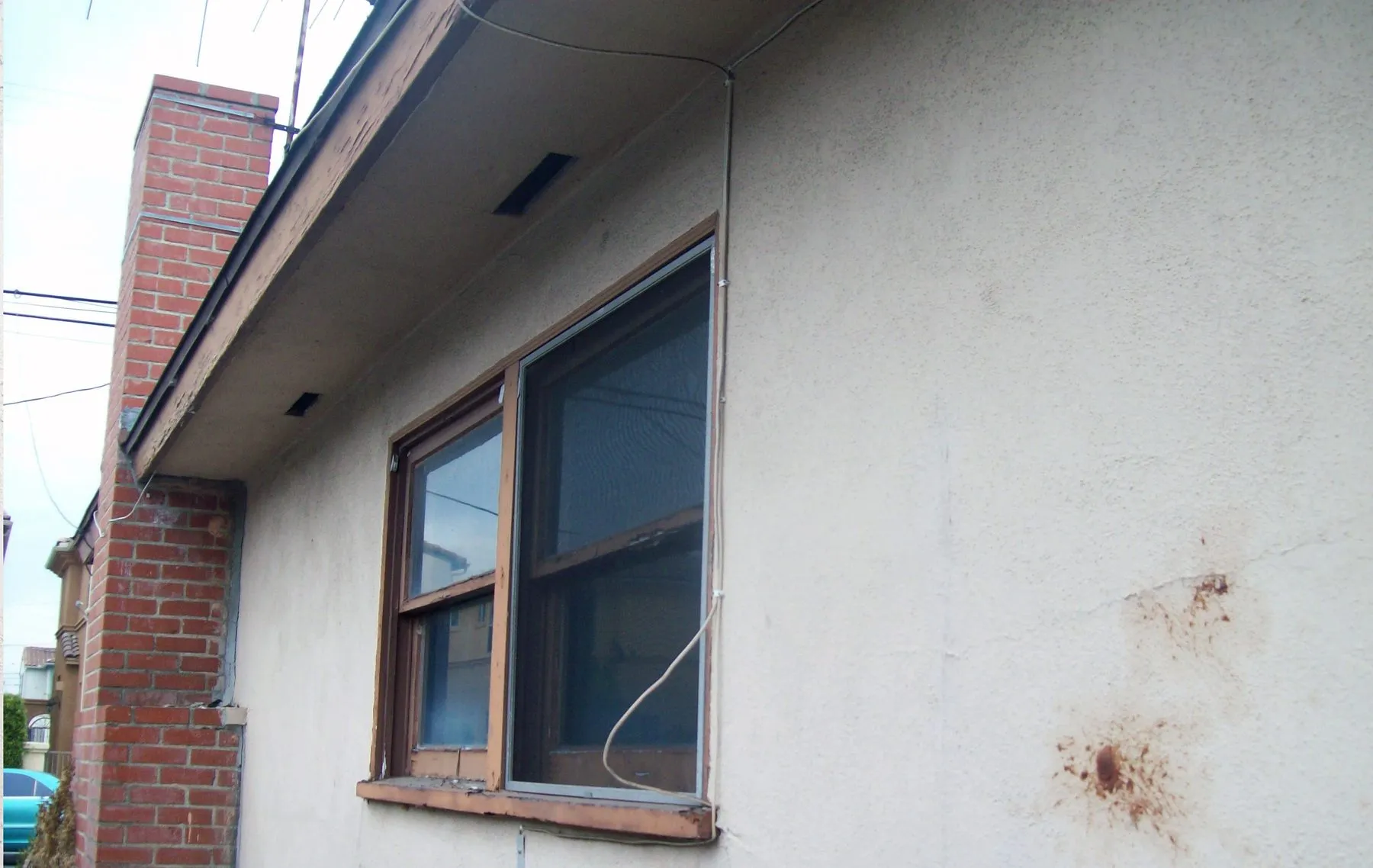
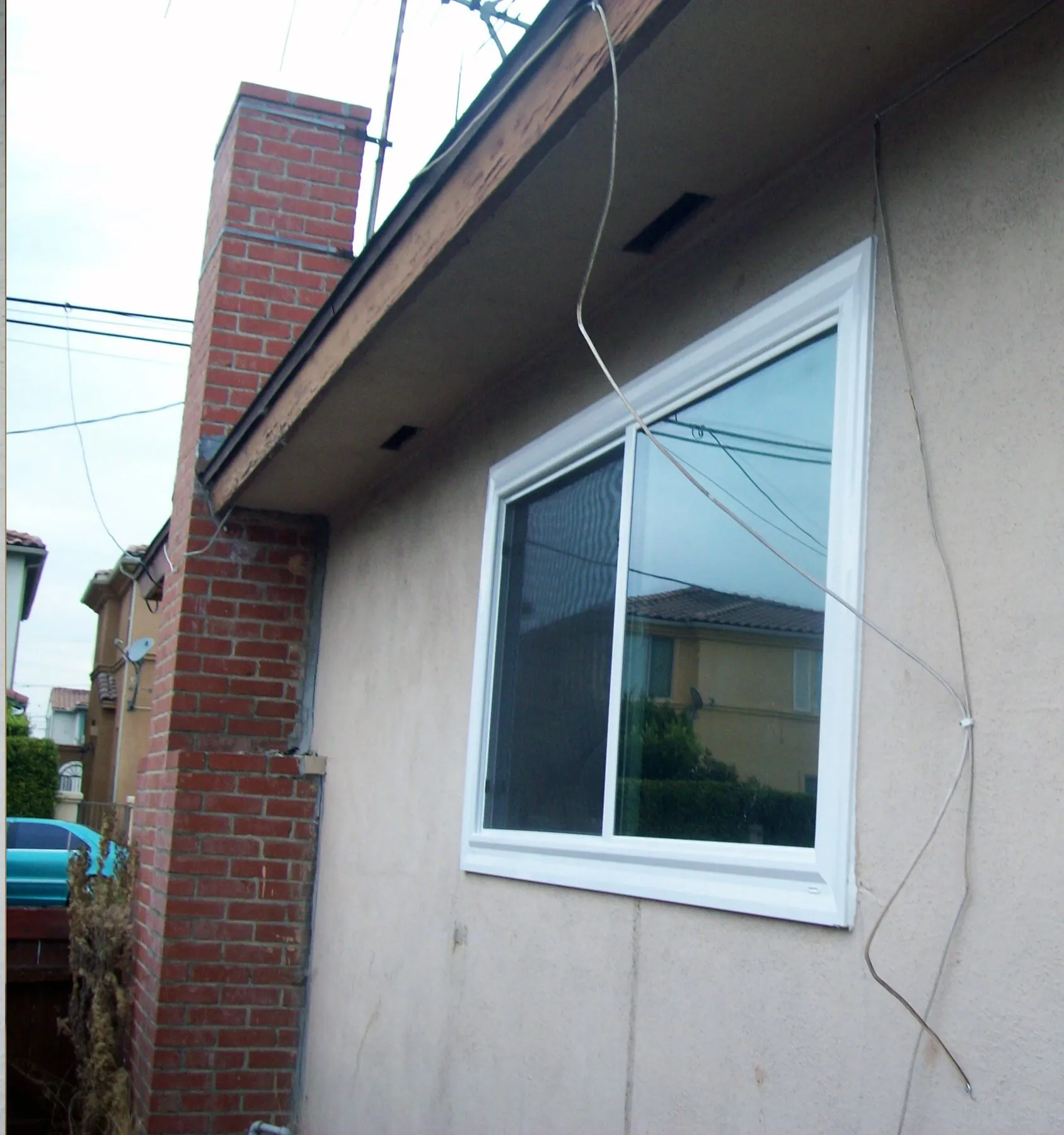
Photographed on site by the crew that did the work, not licensed from a stock library.
Asked on most of these jobs
Common questions
Will it stay put in the wind?
A properly set track holds the mesh in normal breezes. In a real wind event you retract it, the same as you would with any screen, and that takes about two seconds because it rolls away.
Can I get one on a French door pair?
Yes. A double retractable screen comes from both sides and meets in the middle with a magnetic latch, so you can still use one leaf or both.
Does it work with pets?
It depends on the pet and the mesh. A determined dog will push through standard mesh, so tell us at the measure and we will talk through heavier mesh and where the screen should sit.
The other two
Related services
Some jobs pair this with one of the others. If yours should, we will say so at the estimate.
All three servicesGet the openings measured and find out what a screen would take.
A real measurement, a real number, and a straight answer about what is worth doing first. No obligation.