
Window replacement
Windows that keep the heat outside
Retrofit and full-frame replacement for Inland Empire homes, measured in person and installed by the crew that measured them.
Licensed, bonded and insured, CSLB #980336 Most window replacements are done in a day.
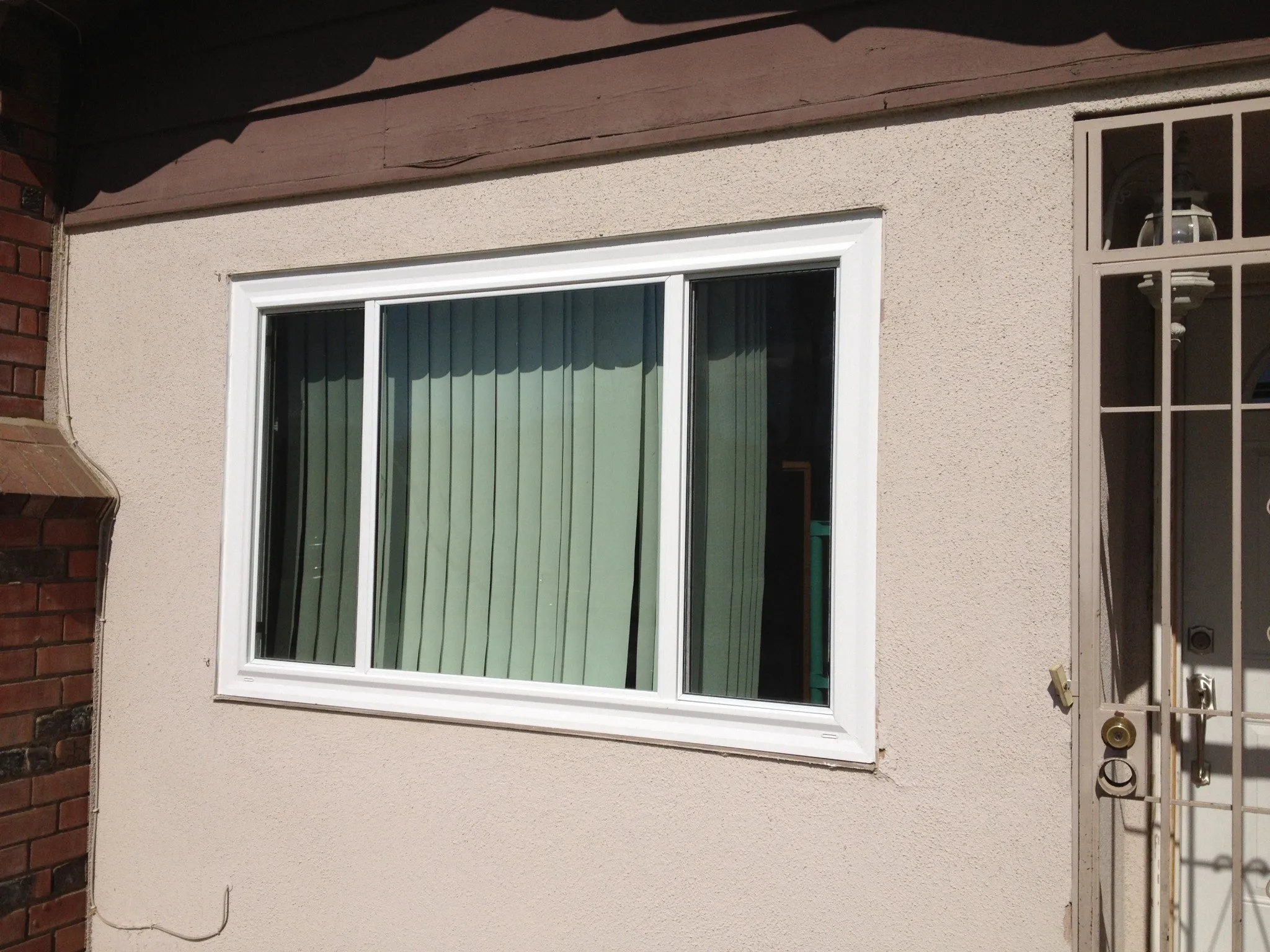
Why it is worth doing
What changes in the house
The west rooms calm down
Low-E glazing rejects most of the afternoon sun while still letting the light through, which is what makes a west-facing room usable again after four o'clock.
Your cooling works less hard
When the glass stops loading heat into the house, the air conditioner stops fighting it, and that shows up on the bill in the months that hurt.
It passes, and you can prove it
Every window carries an NFRC label with its U-factor and SHGC printed on it, so what you bought is verifiable rather than promised.
One day, in most houses
Floors covered, one opening at a time, old units hauled away, and a walk-through before we leave.
Windows
What we do
Most houses we look at still have the original single-pane aluminum, or vinyl from a 1990s job that has fogged at the seals. We start by measuring every opening inside and out, checking the frame condition, and deciding honestly whether your house wants a retrofit insert or a full-frame replacement. A retrofit leaves your stucco alone and is what most homes here get. A full-frame is the right call when the frame is rotted or racked, when water is getting past the window into the wall, or when the opening is being resized. Your windows are then built to your measurements, which is why there is a wait between order and install. On install day the house is never left open overnight, and the old units leave with us. Where a permit is required, we pull it and meet the inspector.
Retrofit or full-frame
There are two ways to put a new window into an existing opening.
Retrofit, also called block-frame or insert. The old sash and glass come out, the existing frame stays in the wall, and the new window nests inside it behind a flange that laps over the old frame. Nothing is cut and your stucco is not touched. It is faster and less disruptive, and it is what most stucco homes here get. The honest trade-off: the new frame sits inside the old one, so you lose roughly an inch of visible glass around the perimeter.
Full-frame, or nail-fin. The whole old window comes out down to the framing. The new unit has a nailing fin that fastens to the studs and gets integrated with the flashing and the weather-resistive barrier before the wall is closed up. It takes longer, and it is the right call, sometimes the only call, when the frame is wood and rotted or aluminum that is racked, when water is getting past the window into the wall, when the opening is being resized, or when the stucco is coming off anyway.
Anyone who says full-frame is always better is selling. Anyone who says retrofit always works has not looked at your frames.
What happens to your stucco
On a retrofit, nothing.
On a full-frame, the stucco is cut back around each opening so the fin and flashing can be fastened to the sheathing, then rebuilt: paper, lath, brown coat, texture match. Texture matches can be very good; color matches on sun-faded stucco cannot, so plan on painting that elevation or the house. Anyone promising an invisible patch with no paint is not being straight.
The Climate Zone 10 numbers
Riverside, Corona, Jurupa Valley, Moreno Valley and Temecula all sit in Title 24 Climate Zone 10. For replacement glazing the prescriptive limits are a U-factor of 0.30 or lower and an SHGC of 0.23 or lower. SHGC is the share of the sun’s heat the glass lets through, and in inland heat it is the number that matters most. Where the total glazing area being altered comes to under 75 square feet, the job falls under the lighter minor-alteration standard.
Every window we install carries an NFRC label, the sticker with U-factor, SHGC, visible transmittance and air leakage on it. Do not let anyone peel those off before inspection, and keep one. It is the only way to verify what you bought. More detail on what the code requires in Zone 10.
Egress, tempered glass and west-facing sun
Sleeping rooms need an emergency escape and rescue opening: the code sets a minimum clear opening area, minimum width and height, and a maximum sill height. That matters most on retrofit: an insert frame shrinks the opening, so a window that was barely compliant can fail afterward. We check egress rooms at the measure. Glass beside doors, near stairs and around tubs and showers has to be tempered; it is ordered that way and cannot be added later.
The west elevation is usually what makes an Inland Empire house uncomfortable: afternoon sun comes in low and direct, and an unshaded west room stays hot long after the sun is off it. Low-E coatings are microscopically thin metallic layers that reject much of that solar heat while still passing light; they are how a window reaches 0.23 SHGC at all. If the budget will not stretch to the whole house, west and south first.
Permits and paying for it
Whether a permit is required depends on your city and on what is changing. A like-for-like replacement is exempt in some jurisdictions here and not others; altering the frame or the opening size generally requires one. We check the rule for your address, pull the permit where one is needed, and meet the inspector.
Financing is available. No rates, terms or lender are published here; you get the current options in writing before committing.
Where we do this work
We are based on Arlington Avenue in Riverside and install across the Inland Empire, most often in Riverside, Corona, Jurupa Valley and Moreno Valley, and down into Temecula. We also work west into Orange County and Los Angeles County, in cities such as Anaheim and Pomona. Permit rules and utilities differ across all of them, which is why each city has its own page; the full list is on service areas. To get measured, book a free estimate.
Step by step
How the job runs
- 01
Measure and decide
Every opening measured inside and out, frame condition checked, egress rooms noted, and the retrofit or full-frame call made before anything is ordered.
- 02
Order and schedule
Units built to your numbers, with the current lead time and your install date in writing.
- 03
Install and walk through
One opening at a time, floors covered, old windows hauled away, and we walk the house with you before we leave.
Our work
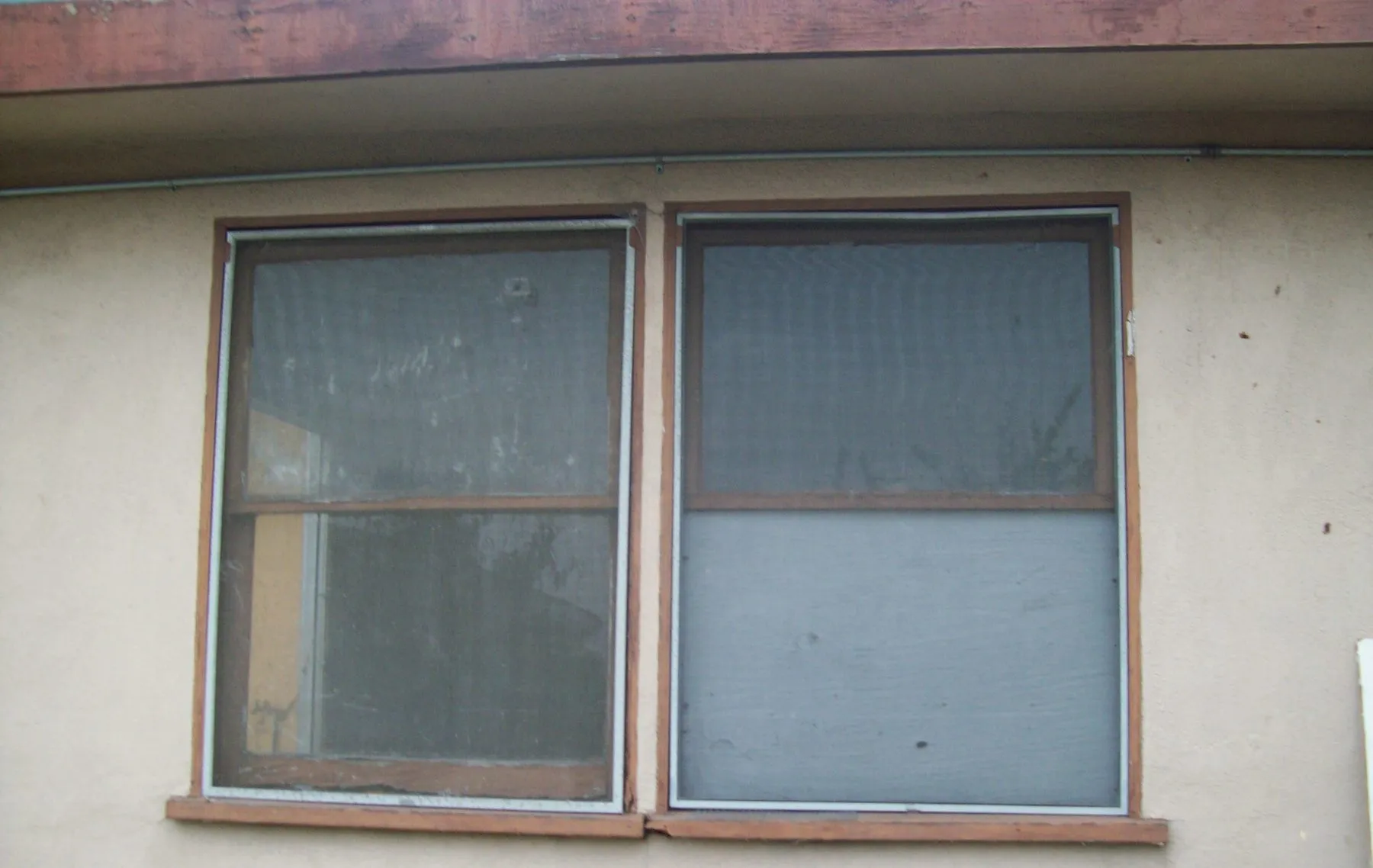
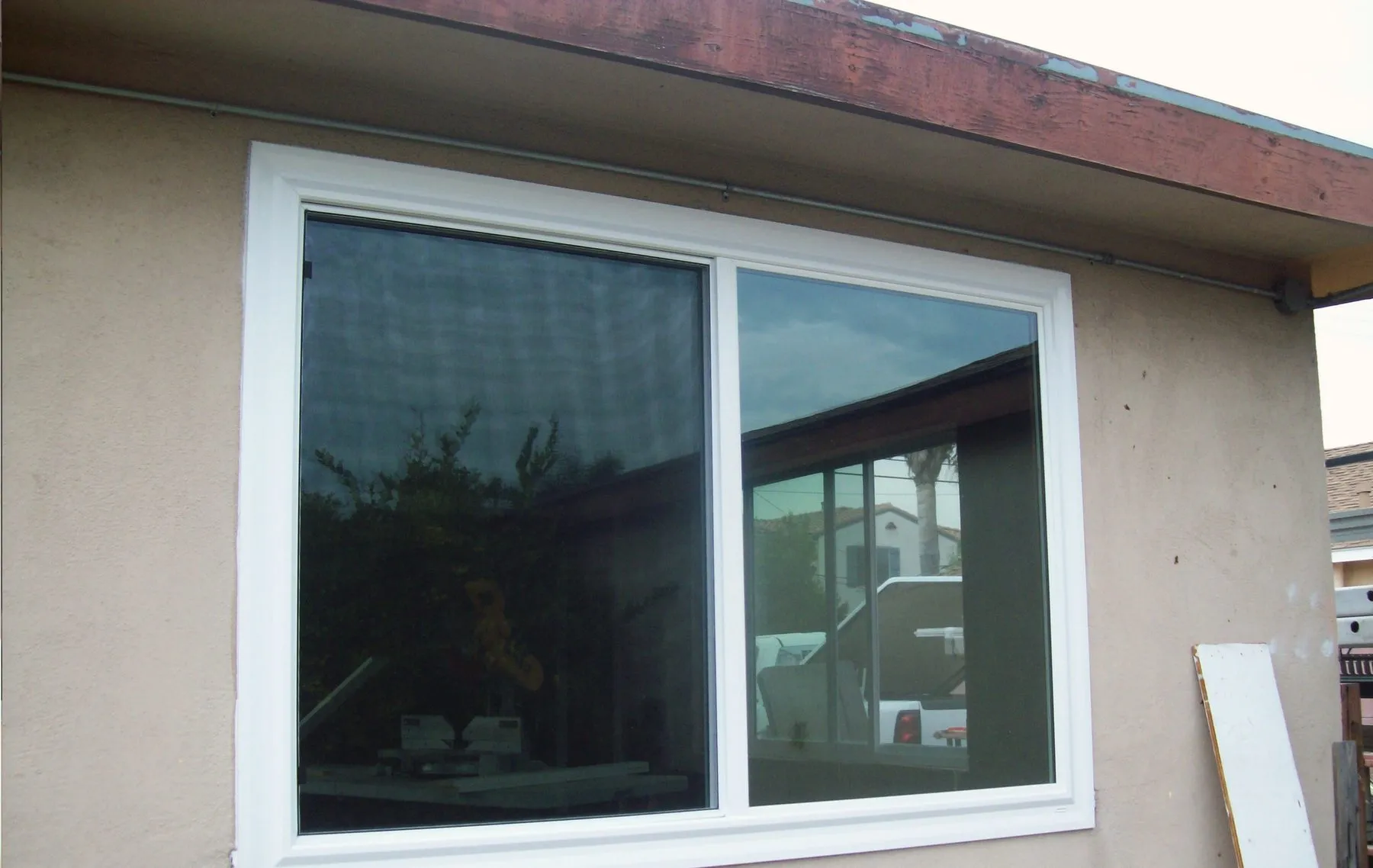
Photos from our own jobs
Photographed on site by the crew that did the work, not licensed from a stock library.
Asked on most of these jobs
Common questions
Will retrofit windows look wrong from the street?
They look different, not wrong. The new frame nests inside the old one, so you lose roughly an inch of glass around the perimeter, which on most stucco elevations nobody notices once the house is finished. If it would bother you, say so at the measure and we will price the full-frame option too.
Do I have to do the whole house at once?
No. West and south elevations first, bedrooms next, north last, because that order buys the most comfort for the money. Each phase gets measured fresh, so nothing is assumed from last time.
What happens to my stucco?
On a retrofit, nothing at all. On a full-frame, the stucco is cut back around each opening, then rebuilt with paper, lath, brown coat and a texture match, and you should plan on painting that elevation, since a color match on sun-faded stucco is not realistic.
The other two
Related services
Some jobs pair this with one of the others. If yours should, we will say so at the estimate.
All three servicesGet every opening measured and a written number, at no charge.
A real measurement, a real number, and a straight answer about what is worth doing first. No obligation.